
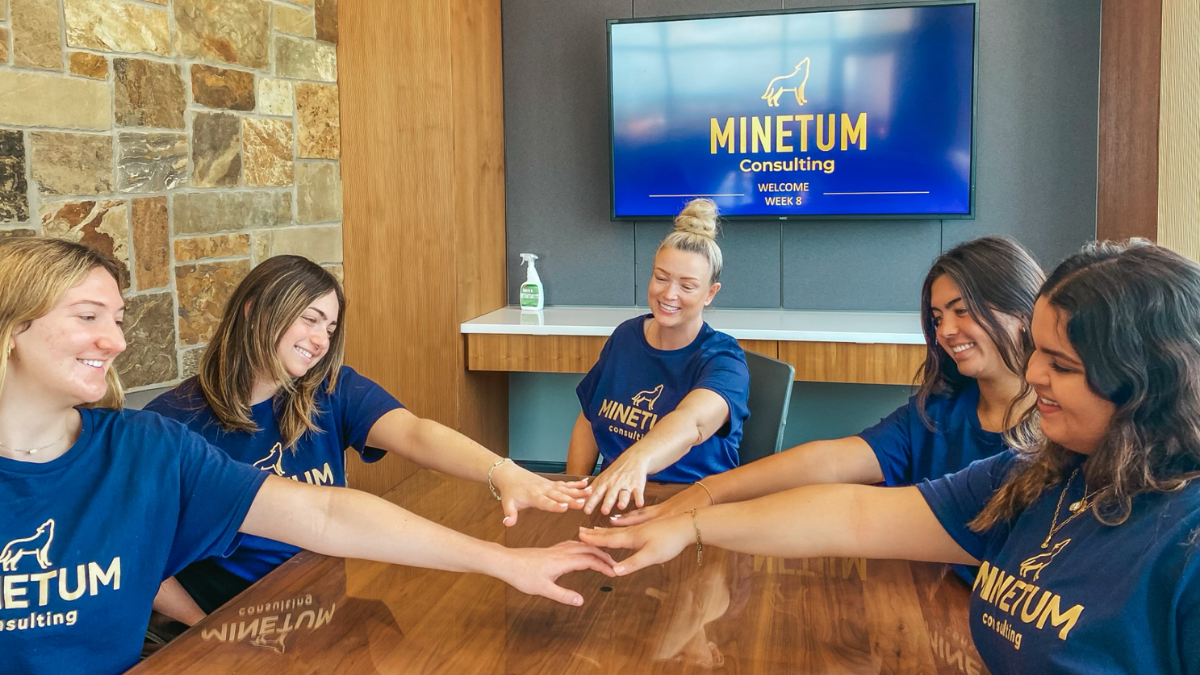
We believed group projects were a thing of the past once we graduated college, only to discover they are just as common in our professional lives.
Relying on others for success in the name of teamwork has become an integral part of every career, making it a staple of professional life. At Minetum, we know how hard collaborative work can be between creating equal responsibility, including different (often opposite) opinions, and coordinating schedules – it’s a recipe for constant dread.
While we can’t guarantee perfection, group projects do not have to be suffered through. Today, we’re revealing the secrets to smooth and productive teamwork – ready to find out?
At Minetum, we have evaluated and worked with many groups over the years until we crafted the perfect solution to creating high performance teams. Here are the 7 best tips to minimize the dread and loss of motivation that comes with group work to enhance success in future projects.
- Connecting with your group members
At the core, everyone in your team is just like you: an employee doing their best. Before diving into business, spark up a short conversation inviting others to relate and connect to each other. Something as simple as a light-hearted mention of wishing you were in bed can kickstart a positive dynamic and connected team.
- Collectively setting expectations
This is the moment to let everyone’s voice shine or allow your voice to be heard. Agreeing upon an overall end goal and expectations of what the project should look like allows everyone to feel positively about collaboration. This limits one person taking control or others staying silent and not participating later on.
- Discuss and designate roles
A conversation highlighting each member’s different strengths and skills in relation to the project will create a sense of security and importance in designating roles. When each member communicates their interests to determine roles, everyone will be more inclined to participate equally and work together.
- Establishing leadership
If not already established, designating leadership can be the cause of both success and failure at a team. We suggest having two or three members take leadership in different areas such as time management, task organizations, or other important needs. If you are always taking the leadership role but all the responsibility with it, sign up to learn how to be a flexible leader!
- Creating a plan
Having a plan that breaks down different tasks for the project is a great way to delegate responsibility based on each member’s role. This provides a visual for the workload within a set timeline, minimizing rushed work or unpreparedness.
- Consistent collaboration
Communication with your team should not be discarded after the initial meeting and set up for the project. Planned check-ins as a group help avoid roadblocks and give members a time to ask questions and collaborate. One on one check-ins with those whose work is relied upon or reliant on yours can ensure alignment and improve personal relationships with coworkers.
- Boosting morale
Celebrating small wins and effort from each member can add some positivity to the team. Acknowledging success with your team continues to build upon the established relationships as coworkers and will foster high performance in the future.
Don’t let the group project nightmares from college exist in your career too! By implementing these strategies, you can enhance your team’s productivity, foster a positive working environment, and achieve your project goals with greater ease.
Wanting to take this a step further? Minetum says it’s simple – sign up for a free session to learn our secret to building better teams and more!
 Minetum Consulting | Career & Leadership Coaching